


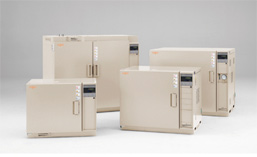
The photoaging weathering test is a key technology for evaluating the performance changes of materials under comprehensive environmental factors such as natural light, temperature, and humidity. Its core goal is to simulate the accelerated aging process, predict the lifespan and reliability of materials in actual use, and provide data support for product development and quality control.
1、 Technical principle of photoaging weather resistance test
The light aging weather resistance test simulates ultraviolet, visible, and infrared radiation in solar radiation through artificial light sources, combined with temperature and humidity control, to accelerate the aging process of materials. The main technical means include:
UV aging test: using fluorescent UV lamps or xenon arc lamps, focusing on simulating the UV band (280-400nm) in sunlight, suitable for polymer materials such as plastics, rubber, coatings, etc.
Xenon lamp aging test: Simulate full spectrum sunlight using a xenon arc lamp, including ultraviolet, visible, and infrared bands, which are closer to natural lighting conditions. It is suitable for fields such as automotive interior and exterior, building materials, etc. that require high light stability.
Metal halide lamp aging test: using metal halide discharge to generate high-intensity light source, simulating photochemical and thermal effects in solar radiation, suitable for weather resistance testing of large equipment or outdoor products.
2、 Application fields of photoaging weather resistance test
Automotive industry: Evaluate the weather resistance of car paint, plastic parts, rubber seals, etc. in outdoor environments. For example, verifying the glossiness, color change, and adhesion of car paint through xenon lamp aging test to ensure that it meets outdoor usage requirements for more than 5 years.
Building materials: Test the performance changes of coatings, plastic pipes, waterproofing membranes, etc. in ultraviolet and humid environments. For example, a certain architectural coating has been validated for its anti powdering and anti cracking properties through UV aging tests, ensuring that it meets national standards.
Electronic products: Evaluate the durability of shell materials, display screens, etc. under changes in light and temperature. For example, the anti yellowing and anti cracking performance of mobile phone cases is verified through light aging tests, which extends the product's service life.
Textiles: Test the color fastness and strength changes of outdoor products, curtains, sunshades, etc. under light exposure. For example, a certain outdoor tent fabric has been validated for its UV resistance through photoaging tests, ensuring that it meets outdoor usage standards.
3、 The future trend of photoaging weathering test
Intelligence and automation: With the development of the Internet of Things and big data technology, photoaging weather resistance testing equipment will achieve remote monitoring, automatic data collection and analysis, and improve testing efficiency and accuracy.
Multi factor coupling test: Future tests will focus more on the coupling effects of multiple factors such as light, heat, humidity, and ozone, simulating more complex natural environments and improving the reliability of test results.
Green environmental protection technology: Developing low-energy and pollution-free testing equipment, using renewable energy for power supply, and reducing the impact on the environment.
The photoaging weathering test is the core technology for evaluating the durability of materials, with a wide range of applications and diverse technical methods. With the development of technology, experimental techniques will move towards intelligence, multi factor coupling, and green environmental protection, providing more reliable technical support for material research and quality control.